PEDAGOGY | PRACTICE | SUCCESS | LEARNING | EXERCISES
The Complexity of Understanding Lyrics
Understanding song lyrics is not as simple as reading everyday language. Lyrics are compressed, poetic, and often inverted in order to fit rhythm, rhyme, and melody. They can use unfamiliar vocabulary, metaphor, or imagery that doesn’t exist in a student’s lived experience, and meaning is frequently implied rather than stated outright. On top of that, when lyrics are sung, they move quickly, stretch across musical phrases, and can be difficult to process in real time. This challenge is not limited to children either — singers of all ages can struggle with lyric comprehension, but older students may simply be more skilled at masking gaps in understanding. As a result, young singers (and not-so-young singers) may be able to perform words accurately without truly understanding them, which can limit both their expression and their connection to the music.
Learning Disruptions of the COVID Years:

We are still navigating the lingering learning disruptions from the COVID years, and their impact shows up in our studios in subtle and not-so-subtle ways. Some younger students may not be where we expect them to be in terms of literacy, language processing, or confidence, and that is not a failing on their part. More than ever, this is a reminder that our most important work is to meet students where they are, teach the singer in front of us, and build forward with curiosity and patience.
Recognizing the Challenge(s)
Developing literacy skills doesn’t just affect students’ ability to read music or lyrics; they also affect their confidence. Many students can become overwhelmed when learning a new piece, especially if they’re expected to comprehend text, melody, rhythm, and expressive singing in a short lesson or class. And if lessons are a mad rush of information paired with instructions to “fix” everything, I guarantee your students will not retain it.
Strategies to Support Literacy and Singing
Here are four simple strategies to help address these challenges and create a more supportive learning environment:
1. Pique Interest
Introduce a new song with energy and excitement to spark students’ curiosity. Ask easy-to-answer questions that help them connect what they already know to the new material. For example: “Do you have a pet at home? I have an interesting song about cats and dogs!” or “What do you think it means to ‘chase your dreams’? This song has some amazing lyrics about that!”
2. Prioritize Lyric Discovery
Allow students more time to explore song lyrics without the pressure to sing them right away. This can include reading the lyrics aloud, discussing their meaning, drawing pictures, or even acting them out. Encourage students to ask questions about unfamiliar words or phrases and share their interpretations. This process not only aids comprehension but also helps students connect emotionally to the piece.
(Fun Fact: Students need to feel safe before they will willingly ask questions.)
3. Conversations and Connections
Everyone learns best when they can relate new material to their own experiences. Incorporate conversations (NOT LECTURES) into your lessons where students can share their stories or thoughts inspired by the lyrics they’re learning. For example, if a song talks about friendship or nature, ask students to reflect on their friendships or favorite outdoor memories. These connections make the lyrics meaningful and memorable. (This is called anchoring and is essential for memorization!) These conversations also help you better understand your students and increase your chances of finding exciting new repertoire they will love.
Pro-Teacher Tip. Allow students to modify lyrics if it helps them to engage and enjoy the song.
4. Separate Lyrics from Music

Hyphenation of lyrics on the music score makes reading even more complex for many students, and often, the flow and meaning of the text are lost. Consider breaking the learning process into smaller, more manageable steps. Reading from lyric sheets separate from the musical score is a helpful learning tool. Fun Fact: All FULL VOICE Song downloads include a lyric sheet with images for this reason!)
Teacher Tip: My favourite question to ask my students once we have reviewed the story in the song is “What is your favourite line to sing?” or “What line in the song are you excited to sing for the audience?” When students feel intrigued and confident in their ability to engage, they’ll be more eager to dive in.
The Importance of Slowing Down
If we don’t slow our lesson pacing to address these literacy challenges, we risk leaving our students frustrated and disengaged. Poor lesson pacing is one of many reasons students cannot practice at home. (Review, review, and more review!) Taking the time to build their comprehension and connection to the story is engagement 101.
Final Thoughts – It’s about connection
Lyric discovery isn’t about lectures and quick fixes. It is about connection. Allowing students to use the knowledge they have as the starting place to learn something new. This student-centered approach will help build curiosity and confidence and set them up for deepert connection with their music and their artistic self. WIN-WIN-WIN
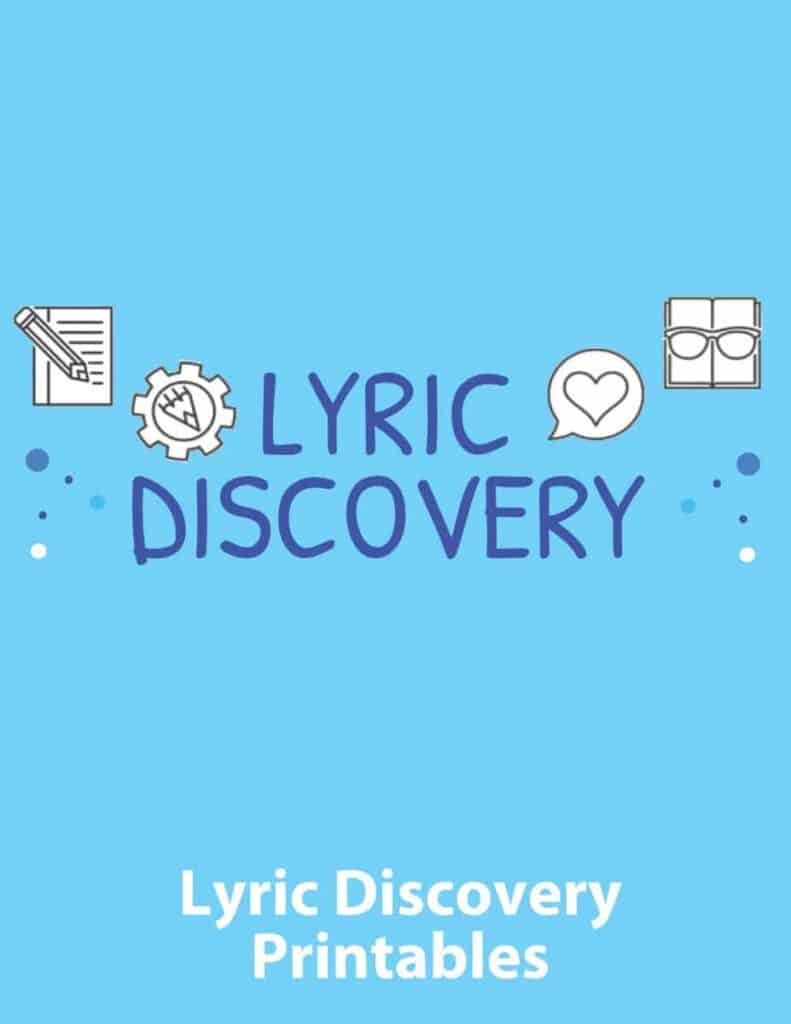
FREE Download for Voice Teachers
We have a free lyric discovery download for teachers working on lyric discovery. Teacher Tip: We recommend this activity be done in the lesson rather than assigned for homework, as students of all ages often need assistance with reading comprehension.