Some of the most important learning in a voice lesson happens when students aren’t singing.
When people think about singing lessons, they naturally imagine students singing. Lots of singing. But experienced voice teachers know that some of the best lessons don’t revolve around repertoire at all.
A no-singing voice lesson isn’t a backup plan or a lesson that has gone wrong. It’s an intentional teaching strategy where meaningful musical learning continues without singing. Whether a student needs vocal rest, isn’t ready to sing, or would simply benefit from a different learning experience, musicianship, creativity, listening, and confidence can continue to grow.
In fact, some of the most important learning in a voice lesson happens before a student is ready to sing.
When Students Aren’t Ready to Sing
Sometimes students don’t sing because they can’t. Sometimes they don’t sing because they won’t. More often, they don’t sing because they aren’t ready yet. A student’s willingness to sing often has less to do with motivation and more to do with feeling safe, understood, and ready to participate.
A brand-new beginner may still be figuring out what happens in a singing lesson.
A shy student may need time to feel safe singing in front of another person.
An anxious student may worry about getting it “wrong.”
A student with different learning needs may benefit from extra processing time, a predictable routine, or different ways to engage before they’re comfortable singing.
Some students are simply building trust. Sharing your singing voice can feel incredibly vulnerable, especially for children and teens.
Our job is to create opportunities for connection before asking for performance.
A no-singing lesson doesn’t mean learning stops. It means we meet students where they are while continuing to build musicianship, confidence, and curiosity.
When Students Need Vocal Rest
Sometimes singing simply isn’t the best choice.
Students recovering from illness, vocal fatigue, or injury are often eager to jump back into singing. As teachers, we have an opportunity to model healthy decision-making by helping them understand that vocal rest doesn’t mean musical rest. These lessons become wonderful opportunities to explore other aspects of musicianship.
Some of my favourite no-singing activities include:
- Discovering new repertoire and artists
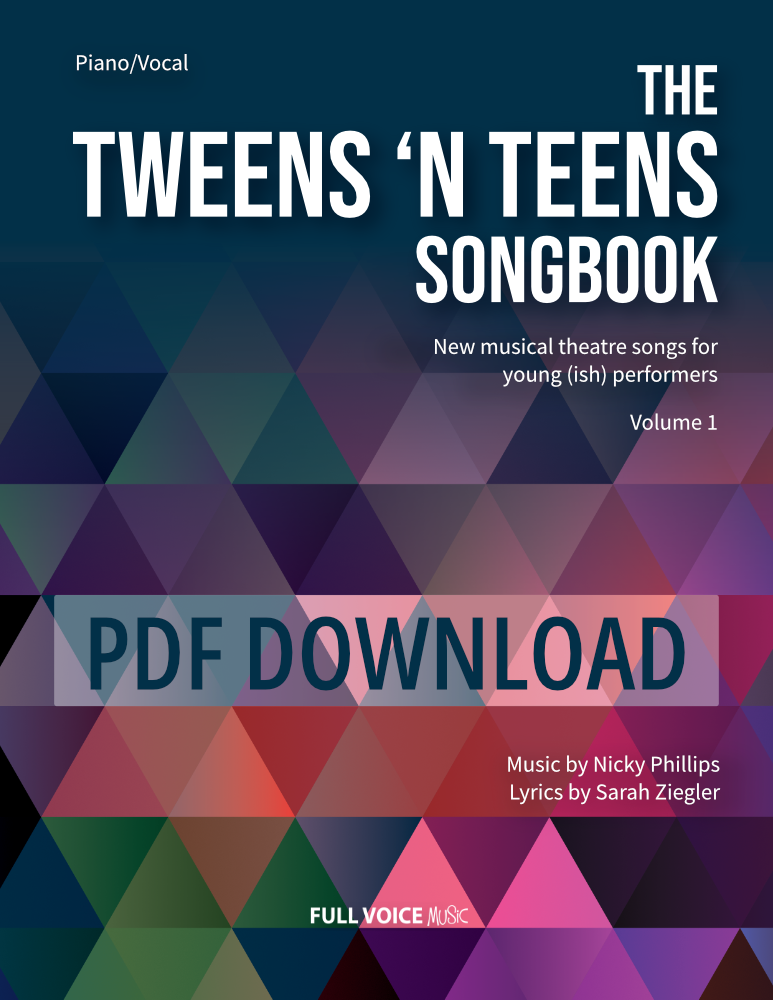
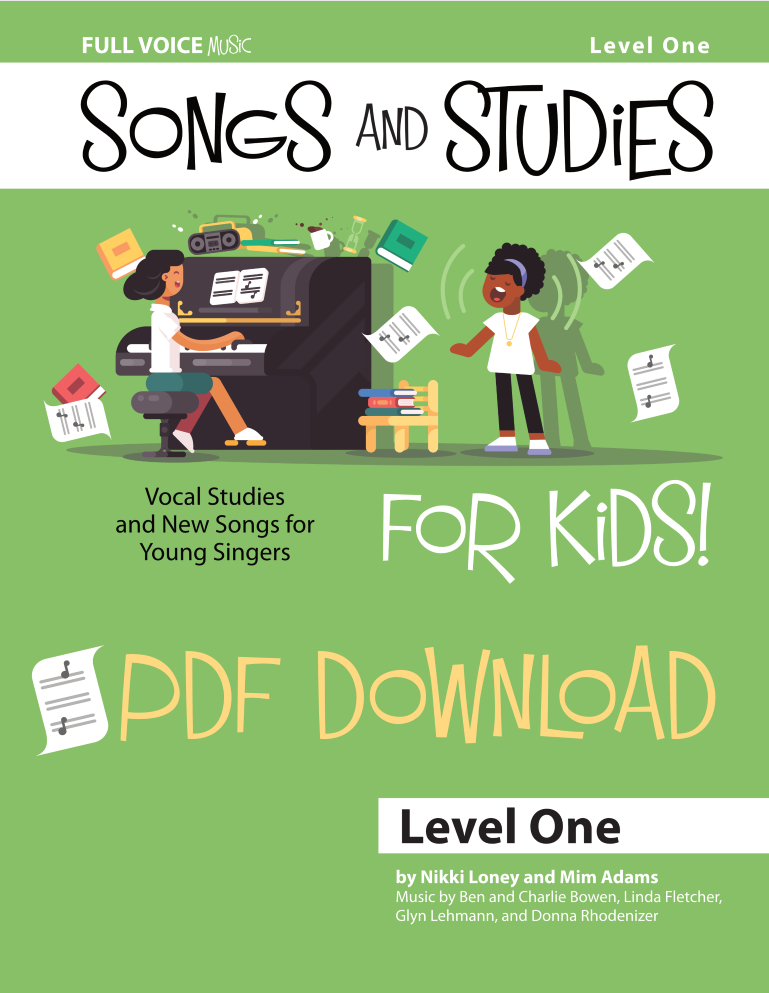
- Completing FULL VOICE Workbook musicianship activities
- Exploring lyrics and storytelling
- Rhythm reading and music reading
- Ear training games
- Guided active listening to inspiring performances
- Score study and musical analysis
- Composition and improvisation activities
Students often leave these lessons feeling just as engaged and accomplished as they would after singing.
When a Different Lesson Is the Better Lesson
Do you always feel like singing? I certainly don’t.
Sometimes students arrive after a long school day feeling mentally exhausted, emotionally overwhelmed, or simply unable to focus. They may be perfectly capable of singing, but that doesn’t necessarily mean singing is the best use of the lesson.
Changing the focus can be exactly what a student needs.
A movement activity, rhythm game, listening exercise, composition project, or creative challenge can refresh attention, rebuild confidence, and often lead to better learning than pushing through another run of repertoire. (Please check our free resources page for some fun games that can be easily modified)
Sometimes the best lesson isn’t the one you planned.
It’s the one your student needs today.
Voice Lessons Are About More Than Singing
One of the most important conversations we can have with families is about what happens during a voice lesson.
Many parents understandably expect every lesson to be filled with singing. Setting expectations early helps everyone understand that great voice lessons develop much more than the singing voice.
Voice lessons develop:
- Musicianship
- Listening skills
- Music reading
- Rhythm
- Creativity
- Confidence
- Performance skills
- Artistic expression
That’s why I include this reminder in my studio policies:
Productive and comprehensive voice lessons include activities such as music reading, rhythm development, lyric exploration, score study, active listening, musicianship, and discovering new repertoire. These experiences are essential parts of learning to sing and may occasionally replace singing activities when appropriate.
(And just to be clear, this isn’t an invitation to lecture for 45 minutes. More singing, less talking whenever possible!)
A Well-Equipped Teacher Has More Than One Lesson Plan
The more teaching strategies you have, the easier it becomes to meet students where they are.
Some days you’ll teach through singing.
Other days you’ll teach through listening.
Sometimes you’ll teach through movement, composition, musicianship, or creative exploration.
Every one of those experiences helps students become stronger musicians.
Some of the best voice lessons end with beautiful singing.
Others don’t involve singing at all.
Both can be exactly the lesson your student needed.
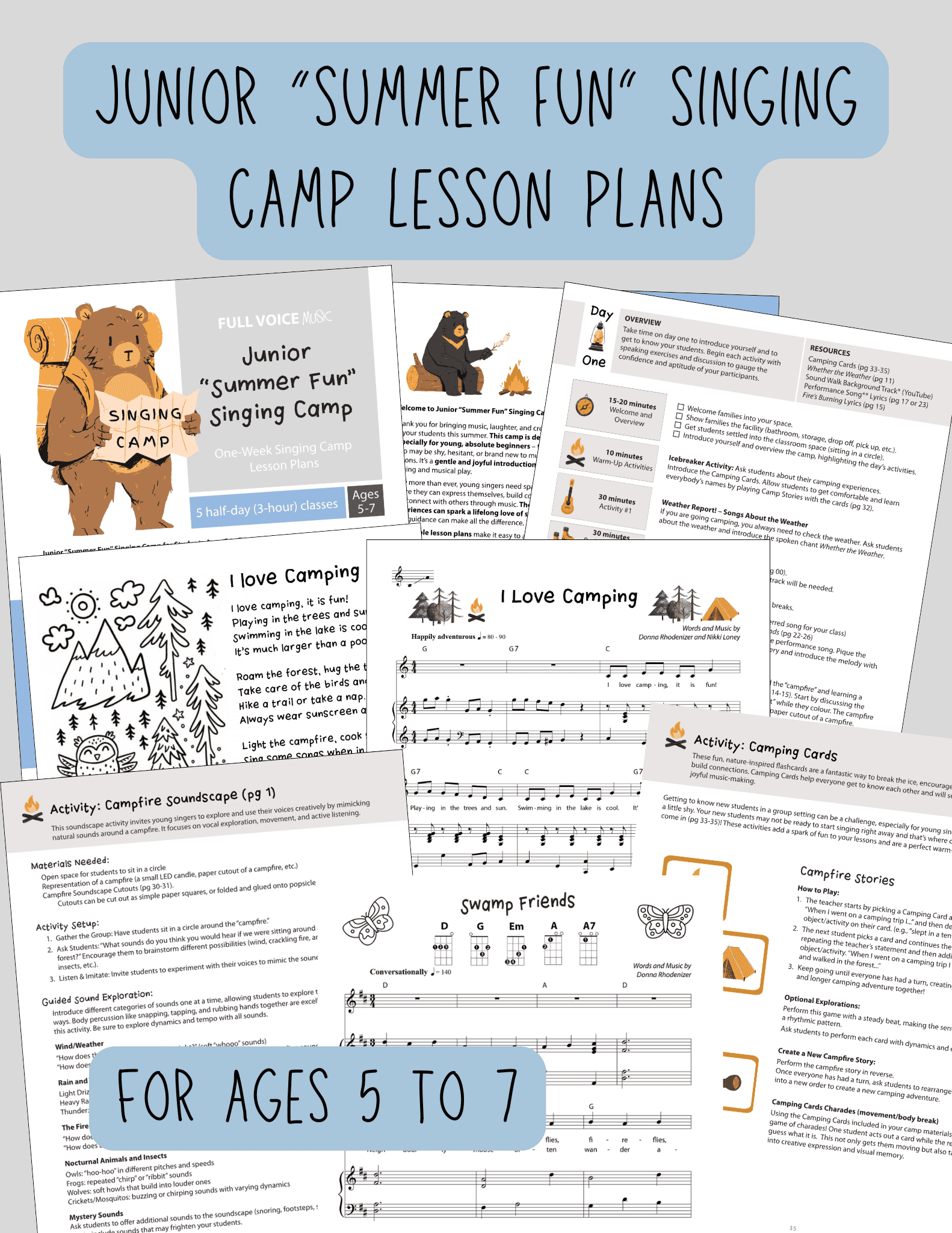
Looking for No-Singing Activities?
If you’re ready to build a larger teaching toolbox, explore these resources and discover activities that develop confident, curious, and engaged young musicians, whether they’re singing that day or not.